
Lewiston’s Battle Over the Pumpkin Patch: Agritourism or Zoning Violation?
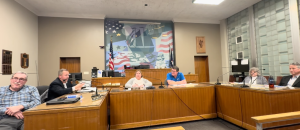
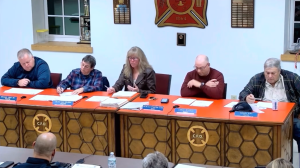
A heated public hearing in Lewiston, New York, has placed a local family farm at the center of a growing debate in Western New York: where does traditional farming end and “entertainment” begin? On December 8, 2025, the Lewiston Town Board met to discuss a proposed six-month moratorium on special use permits for seasonal attractions. While officials claimed the pause was necessary to “research and adopt new laws,” local residents and the owners of the Niagara Pumpkin Farm saw it as a targeted strike against a thriving local business.
Kyle King, owner of the Niagara Pumpkin Farm, stood before the board to challenge what he described as a “pattern of obstruction.” According to King, the town’s building department and attorney have inconsistently applied codes to his property, at one point claiming he was operating an illegal “farm market” rather than a permitted agricultural business.
“My farm is not an unconforming use,” King argued. He pointed to the Safety in Agricultural Tourism Act of 2017, noting that modern agriculture often includes hayrides, pumpkin picking, and other agritourism activities. He further alleged that the town’s move to pause permits just as he was prepared to apply was a bad-faith effort to move the goalposts once again.
The hearing was marked by passionate testimony from residents who fear the “red tape” of local government is killing the town’s rural character.
Speakers noted that the farm draws thousands of visitors from across Western New York, boosting the local economy without relying on “corporate welfare”. Concerns were raised regarding other seasonal events—such as a local marathon and a museum holiday party—that seemingly proceed without the same scrutiny or permit requirements faced by the Kings. Cosmo Caposi, a former building inspector with 23 years of experience, warned the board that passing laws to retroactively restrict an established use is legally shaky and “will not hold up” in court.
Despite the outcry, the board ultimately voted to approve the moratorium. Council members argued that the rise in seasonal attractions brings unique challenges—parking, noise, lighting, and fire safety—that the current town code is unequipped to handle.
“This is by no means the town board’s intention to delay this issue,” said Alfonso Bax, though he admitted the town currently has no special use permit applications on file other than the potential one from the pumpkin farm.
The tension reached a boiling point when Joseph Miller, a local veteran, warned that over-regulation would eventually drive farmers to sell their land to solar developers. “If you stop farming, it’s all going to be solar farms… you’re not even following your own comprehensive plan,” Miller shouted over attempts by the board to quiet him.
As Lewiston begins its six-month “pause,” the fate of the Niagara Pumpkin Farm remains uncertain. For the King family and their supporters, the fight isn’t just about pumpkins—it’s about the right to farm in a changing regulatory landscape.