
CHEEKTOWAGA, N.Y. — A week after Act Now Media and fellow watchdog RedressNow challenged “No Recording” signs posted inside the Cheektowaga Police Department lobby, the department removed the signs—an about-face that followed on-camera discussions about New York’s right-to-record protections and a recent federal court ruling limiting blanket bans on filming in police facilities.
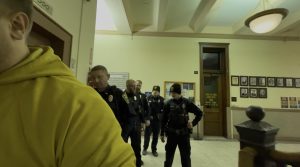
On Election Day, Nov. 7, Act Now Media arrived as a “second shooter” alongside RedressNow to document and question signage stating that “members of the public are prohibited from audio/video recording or photography inside this facility.” During the visit, a patrol sergeant told the team they could either stop recording or leave and warned that refusal could result in trespass arrests. Act Now Media supplied the sergeant with a copy of the federal court decision in Reyes v. City of New York, which had temporarily barred the NYPD from enforcing its own stationhouse recording ban and relied on state and city “right to record” laws.
“We’re here to make you aware that this violates New York’s Right to Record Act,” the team explained on camera, adding they would leave “under threat of arrest” to avoid escalation—while preserving their ability to challenge the policy if needed.
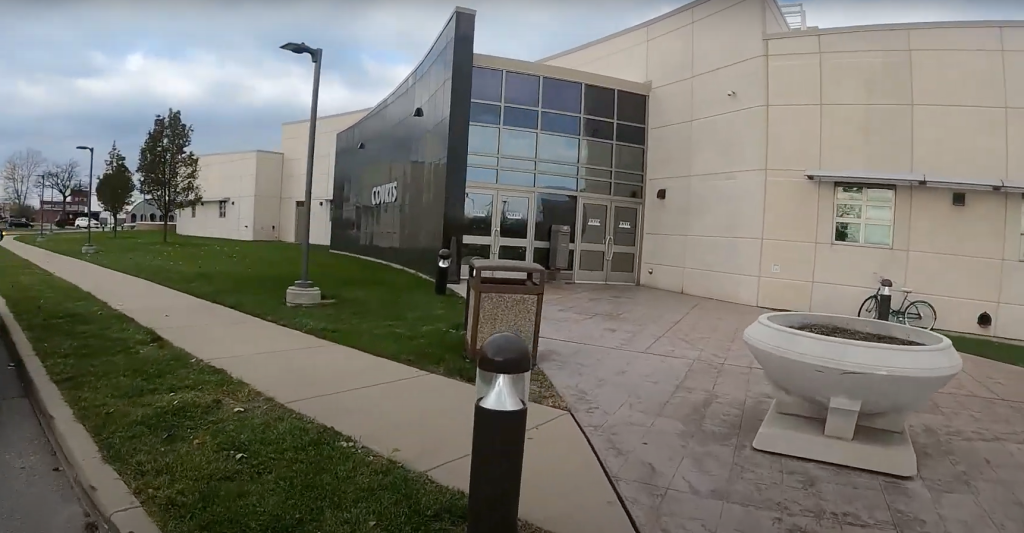
Six days later, on Nov. 13, Act Now Media returned. The lobby signs were gone.
“We just wanted to say thanks,” the team told a supervisor who came to the lobby within minutes. “You read the decision and voluntarily took them down.” The supervisor acknowledged the update and said the department tries to keep up with changes, a moment the auditors praised as “credit where it’s due.”
Why This Matters
New York’s statewide Right to Record Act (Civil Rights Law § 79-p) protects the public’s ability to record law-enforcement activity, subject to reasonable limits against interference. New York City separately codified a similar right in its Administrative Code. In November 2023, a federal judge in the Southern District of New York issued an injunction preventing the NYPD from enforcing a blanket precinct-lobby recording ban against YouTuber-journalist SeanPaul Reyes, finding his claims likely to succeed under the right-to-record statutes. The injunction was later reinstated in 2024 while litigation continued. In June 2025, the U.S. Court of Appeals for the Second Circuit sent a narrow, unresolved question to New York’s highest court about how far the statutes extend inside police facilities—while leaving the core protections and the case posture intact.
Closer to home, Cheektowaga’s own written policy (rev. Feb. 5, 2024) acknowledges the public’s right to lawfully record officers performing official duties and instructs members not to prohibit or intentionally interfere with such recordings. The lobby-wide ban posted on the doors was at odds with that written policy and with the statewide statute cited above.
What Act Now Media did:
- Identified the conflict between posted “No Recording” signs and both (1) state law and (2) the department’s written policy recognizing the public’s right to film officers.
- Provided primary legal materials on-site—handing the sergeant the Reyes decision that curtailed the NYPD’s similar ban, grounded in New York’s Right to Record Act and NYC’s parallel law.
- De-escalated and documented—left when told continued filming could trigger trespass charges, preserving legal options while keeping the focus on policy change rather than confrontation (all captured on video).
- Verified compliance—returned less than a week later to confirm the signs had been removed and publicly thanked the department for the quick correction.
The Bigger Picture: Accountability Works
This outcome illustrates how peaceful, well-documented civic oversight can translate into rapid policy fixes without lawsuits. It also highlights a recurring issue statewide: precincts that post blanket filming bans despite statutes that protect recording of police activity. As courts continue to clarify the reach of those statutes inside government buildings, community organizations—and everyday residents—retain a recognized right to document police conduct from public areas, so long as they do not interfere.
What The Law Says
- New York Civil Rights Law § 79-p (Right to Record Act). Affirms the right of people not under arrest to record law-enforcement activity and keep their recordings and equipment. Provides a civil remedy for violations.
- NYC Admin. Code § 14-189. Mirrors the right to record police activity within New York City.
- Reyes v. City of New York (S.D.N.Y. 2023–24; 2d Cir. 2025). District court enjoined the NYPD’s blanket stationhouse recording ban as likely unlawful under the Right to Record Acts; appellate court certified a narrow statutory question to the N.Y. Court of Appeals while the injunction history and statutory protections remain central to the case.
Conclusion
Within one business week—and after Act Now Media cited controlling statutes and a fresh federal injunction—Cheektowaga Police removed “No Recording” signs from their public lobby. It’s a concrete, local win for transparency and the public’s right to document law enforcement.
Have you encountered a “no recording” sign in a public police area? Know your rights, stay non-interfering, and document everything. If you want, we can turn your footage and facts into a formal complaint or public report with citations like those above.
Watch
Watch the videos for the full reporting.